Writing Minnesota’s Next Chapter
By Jeremy Schroeder
February 4, 2026
By Jeremy Schroeder
February 4, 2026
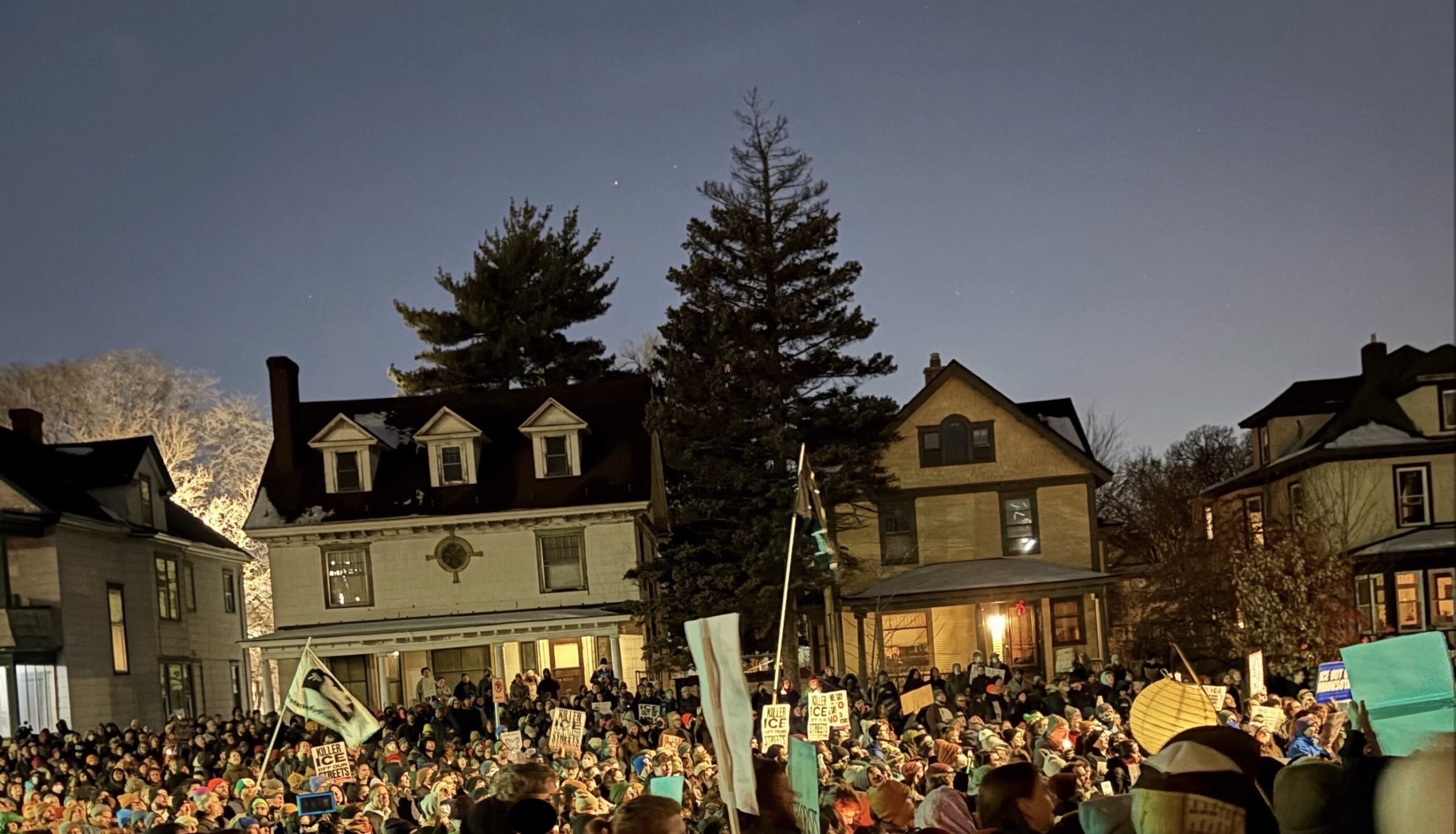
By now, my personal account of what has unfolded over the past few weeks in my hometown of Minneapolis may not sound altogether new. We share our stories, often in real time, because bearing witness and responding quickly to state-sanctioned violence is critical if we are to save lives and effectively fight authoritarianism.
But I can tell you that since ICE descended on my city at the beginning of this year, what has emerged as a powerful example of community resistance could become an even deeper story about how we turned community mobilization into a progressive, state-wide victory. It depends on how we write the next chapter.
It’s hard to explain how crushing the occupation of Minneapolis feels because it is an emotional overload every moment of every day. The walk to the bus stop with my kids—a path we’ve taken hundreds of times, a measure of our community safety and spirit—has changed in an instant. Now we watch out for ICE convoys as the sound of our neighbors’ whistles fill the air when they approach.
When I log into the online neighborhood chat, I’m met with “We don’t need any observers, only come if you are a trained medic. Please stay away until we get more details.” Vibrant parts of town are now empty. Cars abandoned in the middle of the street because their drivers were yanked out by ICE. Schools and daycares raided, children taken away. It’s a daily onslaught. It’s hard to recognize my home when it feels like we are being brutally punished for caring.
And yet, there is hope. I see it daily: parents running patrols, and communities running ICE out of their neighborhoods. Serenading them outside their hotels at all hours. Places of worship coordinating grocery deliveries—the two blocks surrounding my local church filled with cars waiting to help feed those too afraid to leave their homes. Our city’s resistance is first and foremost an act of love.
I see enormous possibility in the courageous and steadfast work of our grantee partners and their allies, whose testimony I’ve witnessed on our local media outlets as they discuss the conditions we’re living in and how they are leading mobilization efforts in a time of community crisis.
While corporate CEOs put out meager statements calling for calm, our partners are actively mobilizing Minneapolis residents in ways that are having real results we can see and feel here on the ground:
In addition to multi-year investments in Minnesota organizing infrastructure for the past nine years, the $210,000 in rapid response funding that our team at the Equity Fund deployed last month is now supporting these ongoing efforts. Our partners will need continued investments to keep up a strong, coordinated, multi-state response.
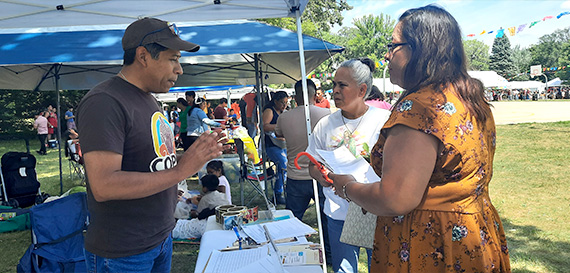
It’s important for everyone to know that right now, Minneapolis could be “ground zero” in more ways than one. It’s true we are a model for community resistance against dark forces—ones that have already plagued other cities and now operate at a pitch that may spread to other towns. But with this type of horror comes the possibility of a groundswell for organized, systemic change.
How we respond could significantly increase the chances that those who have been inspired by our grantee organizations to run groceries, blow whistles, call hotlines, and keep watch to protect their children will soon show up at council meetings, legislators’ offices and the ballot box. They’ll be the ones to stand with our partners and raise their voices for progressive reform for all Minnesotans.
When we are called in moments like these to support our grassroots leaders with a rapid response, we’re actually expanding on the community organizing work that came before and must come after this acute period of fear and grief. Let’s build durable, community-based power in defiance of our pain. This is the next chapter we’re writing at the Equity Fund.
Jeremy Schroeder is a member of our Policy Accelerator program team, serving as a state strategist for the Midwest region.