Workforce Development for a Clean Energy Future
By Eli Vargas, State Strategist
November 2, 2026
By Eli Vargas, State Strategist
November 2, 2026
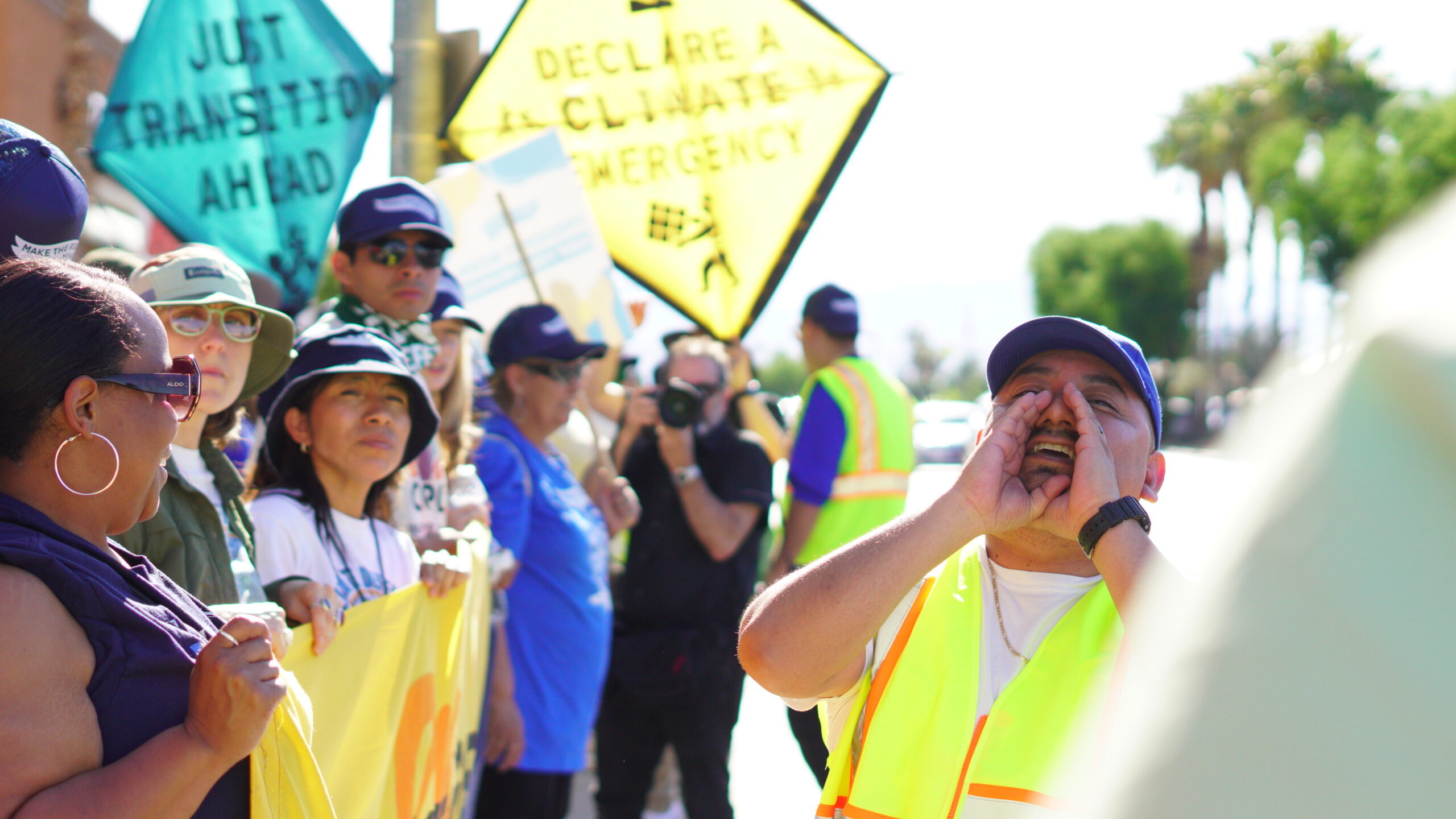
Without community-led workforce development, a just transition away from fossil fuels is not possible. An equitable transition should allow communities that have borne the costs of the fossil fuel economy to shape and benefit from the clean energy economy. For example, in the Permian Basin many rural Latino immigrant fossil fuel workers are exposed to physical harm from heavy machinery resulting in debilitating injuries and even death. 83% of workers surveyed by our grantee, Somos Un Pueblo Unido, are worried their jobs will not be replaced in the transition away from fossil fuels. They also shared a desire to switch industries. However, many of these workers have not had the resources to do so on their own.
Workers are able to gain the skills to leave toxic and dangerous industries with expanded access to vocational training, education, and certification. Workers and communities already have knowledge about what a just economic transition should look like, but often lack access to the resources and policy pathways needed to realize it. Providing community-based organizations (CBOs) with the resources to lead how educational opportunities are designed and made accessible to workers increases agency and the likelihood their communities are able to transition out of this shuttering industry. This is key to climate justice.
Climate Equity Fund grantees have had success in increasing funding, accessibility, and inclusive curriculum design for workforce development programs before and have paved the way for other communities to follow. In New Mexico, grantees have advocated for the passage of the Energy Transition Act (ETA) of 2019, which mandates all investor-owned utilities achieve 100% clean energy mandates by 2045 and rural electric co-ops do so by 2045. The ETA provides funding to assist displaced fossil fuel workers and mandates apprenticeships for new clean energy projects. New Mexico grantees followed that up with the Community Benefits Fund in 2025, which provides $210 million dollars in funding for communities to adapt to the effects of climate change. These funds are also used towards increasing the ability of rural Latino communities in the Permian Basin to access skill development, vocational training, and certification programs. These programs target oil workers, providing them with the choice to seek alternative employment outside of the dangerous and unhealthy oil sector. Wrap around services like childcare, language, and transportation access help underserved communities benefit from these programs so they can gain meaningful employment.
Illinois People’s Action in partnership with other grassroots organizations worked to pass the landmark Climate and Equitable Jobs Act of 2021 (CEJA). This bill mandates the state of Illinois to meet 100% clean energy by 2050. This mandate drives a need for expansion of renewable energy projects as fossil fuel power plants are closed. CEJA creates workforce training hubs, directs funds to low-income communities, and directs assistance to workers affected by the closure of fossil fuel energy infrastructure.
These two examples highlight what CBOs can accomplish through coordinated efforts, grassroots involvement, and long-term flexible funding. The Climate Equity Fund has been proud to support our partners New Mexico and Illinois with this long-term, flexible support so they have the resources to build sustained community power over years and bring community members to the capital to pass legislation. They are then able to follow policy through the implementation processes to ensure their legislation is implemented equitably the way the community intended.
Our grantees are able to drive strong community informed and community-led policy, because they are trusted, community rooted organizations. Grantee staff have firsthand experience of the unique issues impacting workers in their communities and are best positioned to reach workers who traditional workforce systems miss because they understand the language, childcare, transportation, trust, and other barriers facing their communities.
We heard from grantees that there was a recurring need across the states we work in for guidance on how they could work with labor partners to build clean energy, create high paying jobs, and bring BIPOC community members into the clean energy workforce. So, we recently released a new policy playbook – Workforce Development for a Clean Energy Future. Through the playbook, CBOs can choose a policy pathway which best suits their specific state and locality’s needs including legislation, executive pathways, and community benefits agreements. In this playbook CBOs will find there is a pathway which they can implement across shifting political landscapes and geographies. CBOs can use this playbook to understand where strategic opportunities lie in their states and pursue workforce development priorities through the legislative, executive, or project development arenas. This playbook will show options for advocates to pursue job creation and create pathways for equitable workforce training so BIPOC communities can attain those jobs.
While past federal climate legislation included tax credits that were contingent upon workforce development provisions meant to grow the clean energy workforce and economy, the majority of these credits have been sunsetted. There are still meaningful opportunities for states and CBOs to advance workforce development despite this such as through the following:
With our support Climate Equity Fund grantees are able to take advantage of these opportunities to advance workforce development policy through partnerships with labor allies, base-building, and grassroots mobilization.
The Climate Equity Fund is uniquely positioned to support grassroots, frontline communities in key states across the country due to our intermediary model of flexible funding, state expertise, tailored technical assistance, and ability to provide connections to peer organizations and specialized issue expertise. As a State Strategist at the Climate Equity Fund I work one-on-one with our grantees to support their workforce advocacy efforts. I help grantees strategize how to translate worker needs into policy goals, campaigns, and wins. State Strategists at the Climate Equity Fund provide this support through strategy conversations, issue specific webinars, individualized policy research briefs, and connection to other technical assistance experts. This role within the movement is truly rewarding as it offers you the opportunity to see a community’s needs transformed into proposed policy, then into a campaign, and ultimately into life changing impact. That is the type of work the Climate Equity Fund supports and this dynamic of being a funder, technical assistance provider, and ally to CBOs across the country is what makes us unique. Communities are leading the way to realize a just transition through workforce development and the Climate Equity Fund holistically supports them to maximize their impact.